
Years ago, I started noticing a pattern I couldn’t ignore.
Two people could hear the same message…
and walk away with completely different interpretations.
It wasn’t about attention or intelligence. It came down to how they processed the information.
That realization changed how I communicate — and how I teach others to do the same.
Here’s the simple lens that made it click:
People tend to process information through one of four dominant thinking styles:
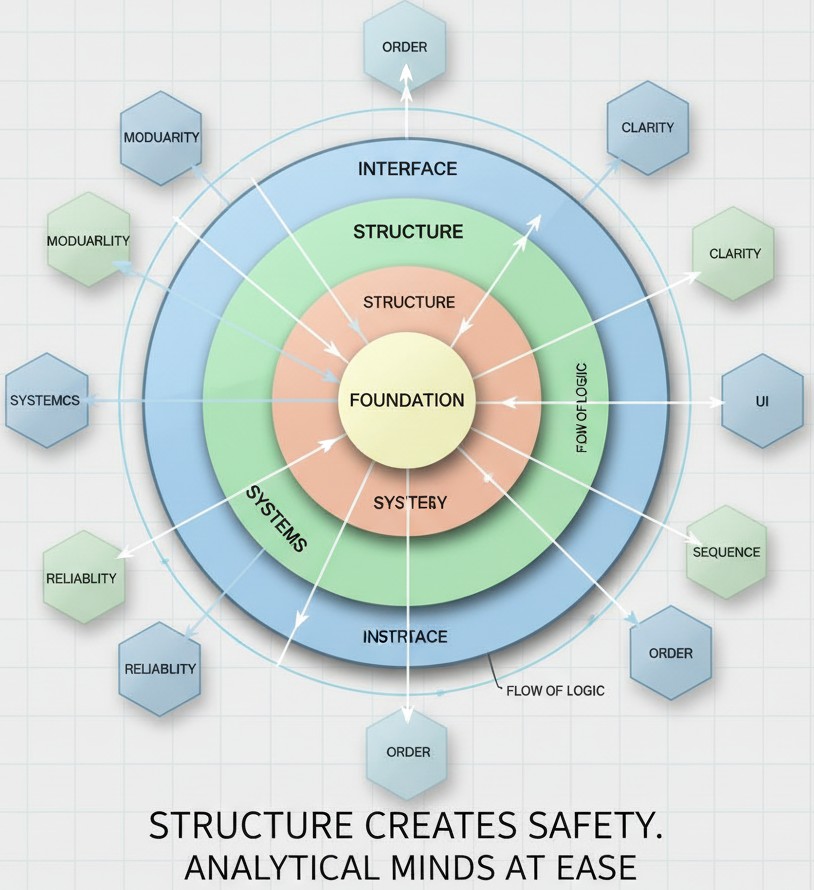
- Analytical — listening for logic, structure, and clarity
- Practical — listening for application and usefulness
- Relational — listening for connection and trust
- Visionary — listening for meaning and possibility
None is better than the other.
But every one of them listens for something different.
This is where disconnects happen.
An analytical thinker hears a visionary speaker and thinks, “What does this actually mean?”
A practical thinker hears a relational story and wonders, “What do I do with this?”
A visionary hears details and feels constrained.
A relational listener hears data and feels unseen.
Same message.
Different experience.
When you understand this lens, those moments of confusion suddenly make sense.
What most people don’t realize is this:
You don’t have to choose which brain to speak to.
You can learn to layer your message so more people stay with you.
I use this 4-Brain lens inside a broader framework I now teach — but more on that later.
For now, start noticing.
- Which types of explanations energize you?
- Which ones feel unnecessary or tedious?
- Which audiences light up when you speak… and which go quiet?
That awareness alone begins to restore clarity.
Curious which brain styles your current message naturally reaches?
Take the Message Score and see who’s with you — and who might be missing the message.


We did this type of communication drill in one of our classes in college where the first person was whispered words to pass along to others and see if the original words would be captured until the end to the last person. There were two experiments, and the results were mixed. The first we got it wrong, and the second we got correct.
Makes alot of sense, helps me understand and I can use this.