
Most people don’t struggle with communication because they lack information.
They struggle because they assume understanding happens automatically.
When a message doesn’t land, the reflex is predictable:
explain it again. Add more detail. Say it a different way.
That instinct is understandable.
It’s also why clarity stalls.
Explanation stays inside your own thinking process.
Translation crosses into someone else’s.
Translation is what brain-friendly communication actually looks like
Every brain is listening for something slightly different.
Some are tracking structure.
Some are scanning for application.
Some are listening for safety and connection.
Some are orienting toward possibility and meaning.
When you explain, you stay loyal to the way you understand.
When you translate, you design the message so more than one brain can receive it.
That’s the difference between being heard and being understood.
A simple audit that reveals everything
Choose one message you’ve shared recently — a talk, a meeting, a post.
Now ask four questions:
- Is the logic easy to follow?
- Is it clear what to do next?
- Does it feel grounded and human?
- Does it point toward something that matters?
You’re not fixing the message yet.
You’re noticing what shifts when you translate instead of explain.
Pay attention to which version:
- reduces follow-up questions
- creates faster alignment
- lowers tension in the room
That’s not coincidence.
That’s translation doing its job.
Clarity expands when messages are designed for more than one mind.
Want to decode your speaking style?
Take the Message Score 👉
You’ll see your communication strengths immediately.

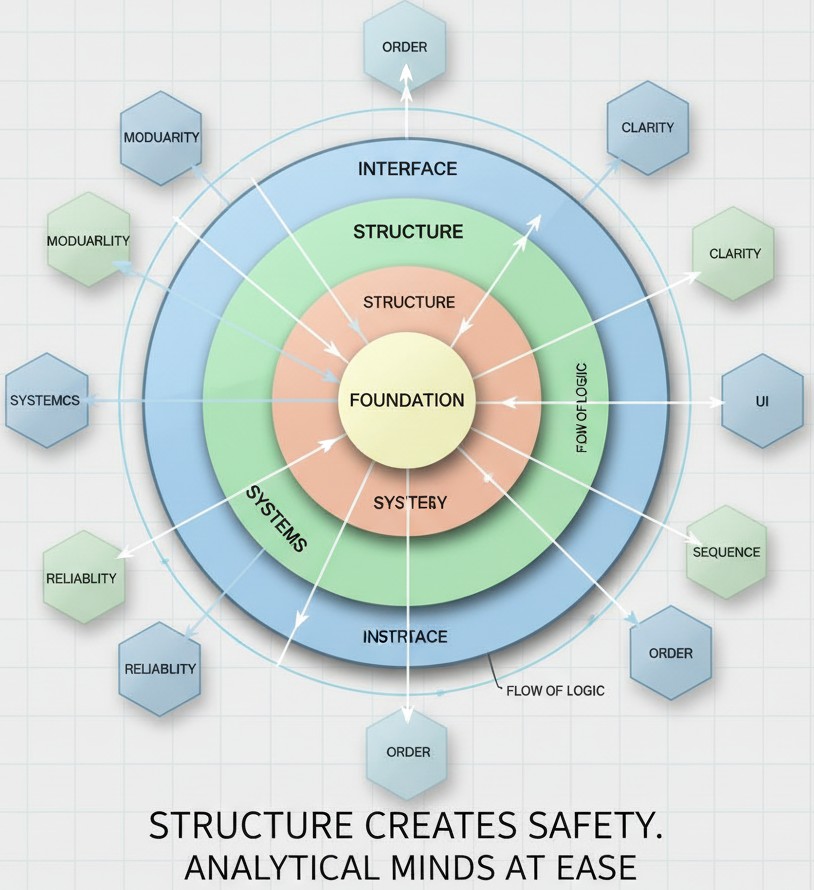

I’ve seen situations where people are expected to “read between the lines,” which can create confusion even when everyone is trying to do the right thing. Designing messages that are explicit about expectations and next steps feels just as important as how information is framed.