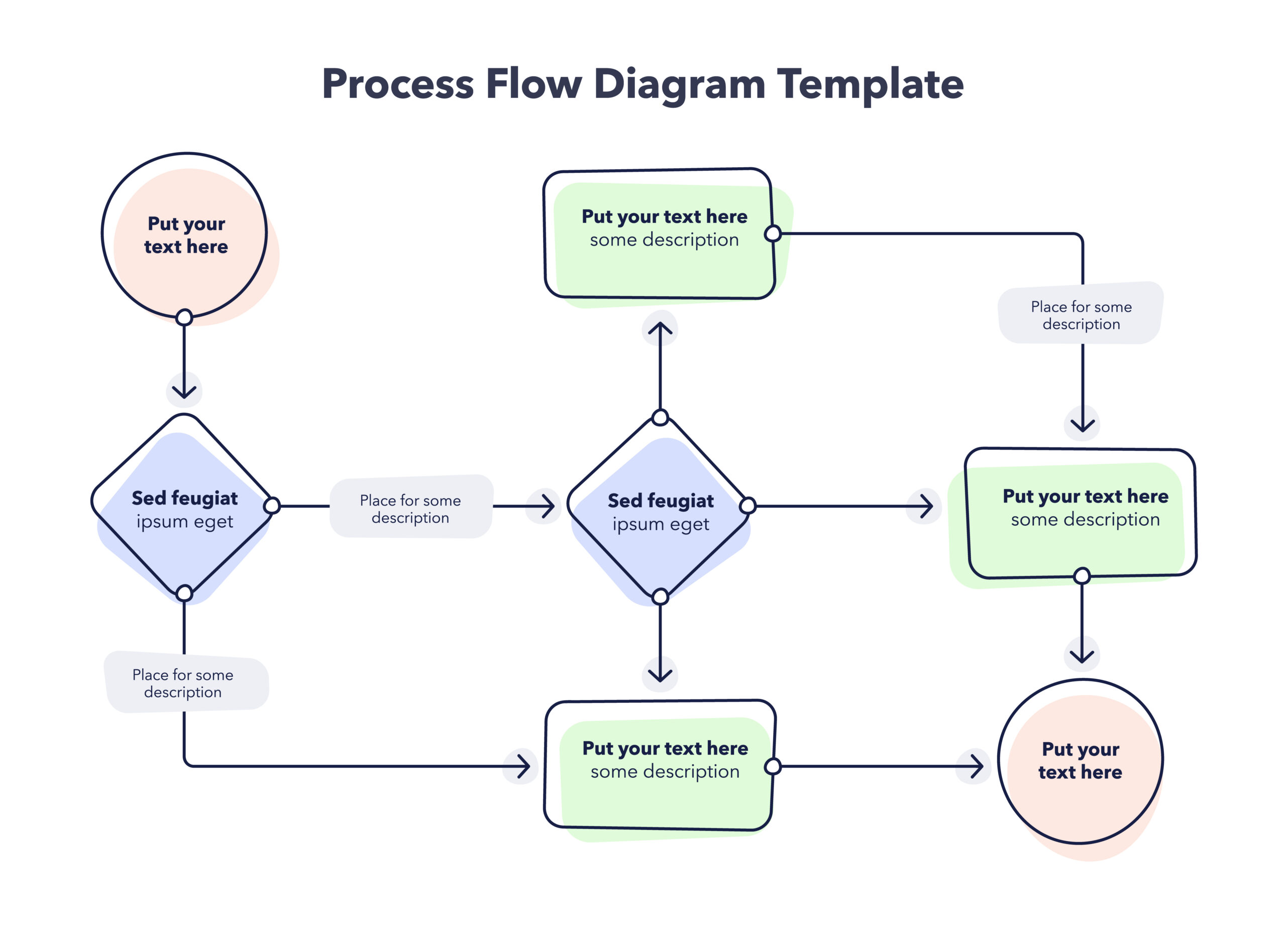
Practical thinkers listen with a clock running.
Not because they’re impatient.
Because they’re oriented toward movement.
They’re asking:
What does this mean for me right now?
What changes after this conversation?
What’s the next step?
If that isn’t clear, attention fades.
Clarity is usefulness, not volume
Practical brains don’t want more explanation.
They want orientation.
They need:
- concrete steps
- clear outcomes
- a sense of immediacy
When a message stays conceptual too long, they disengage—not emotionally, but functionally.
They’re ready to act. They just don’t know where.
Where messages often miss
Practical brains get lost when:
- action is implied but not stated
- priorities aren’t clear
- everything feels equally important
This creates friction. Not resistance.
When the path forward is visible, momentum follows naturally.
Are you only speaking to one type?
Start fine-tuning your clarity with the Message Score 👉


Florence:
“Everything feels equally important” is such a prevalent problem in business.
“This is the priority, but you can’t let x, y and z slip.”
Yes, John, exactly.
When everything is labeled “important,” the brain has no way to decide what to act on first. That’s when execution slows or stalls altogether.
Practical brains need a clear order, not competing urgencies. Naming the priority and what can safely wait is what restores momentum.
After more than 40 years as a project manager and leader of project managers I am process oriented, probably to an extreme! As a consultant process thinking is the basis of most of my work to get to what is the real priority. Everything isn’t important. I continuously speak about this with my clients as a means to clear their thoughts and delve into what really matters!